All Categories
Featured
Table of Contents
Programmatic SEO and routine SEO differ primarily in. Routine SEO focuses on producing and enhancing private pages. This indicates doing keyword research and content production, enhancing metadata, including images, and structuring internal links (all for one page). This method is most effective for blog posts, service pages, or landing pages where depth and originality matter the majority of.
Programmatic SEO is much various. Rather, you're instantly producing a number of pages. The procedure involves determining a keyword pattern and producing a dynamic design template filled with data from a database or spreadsheet. Once the system is set up, you can scale SEO content across hundreds of pages (or even thousands), and do it much faster than with manual methods.
Let's start by going over the crucial elements of programmatic SEO. We'll take a look at them bit by bit to see how the procedure actually works. Programmatic SEO works best when you target really specific search inquiries, like "finest spending plan hotels in Paris" or "iPhone 13 cases under $20." Scaling these pages is simple when you comprehend the keyword pattern.
Scaling Search Traffic With Automated Page ProductionThis data fuels your design template productions and lets you produce many special pages. Another key pillar of programmatic SEO is template usage.
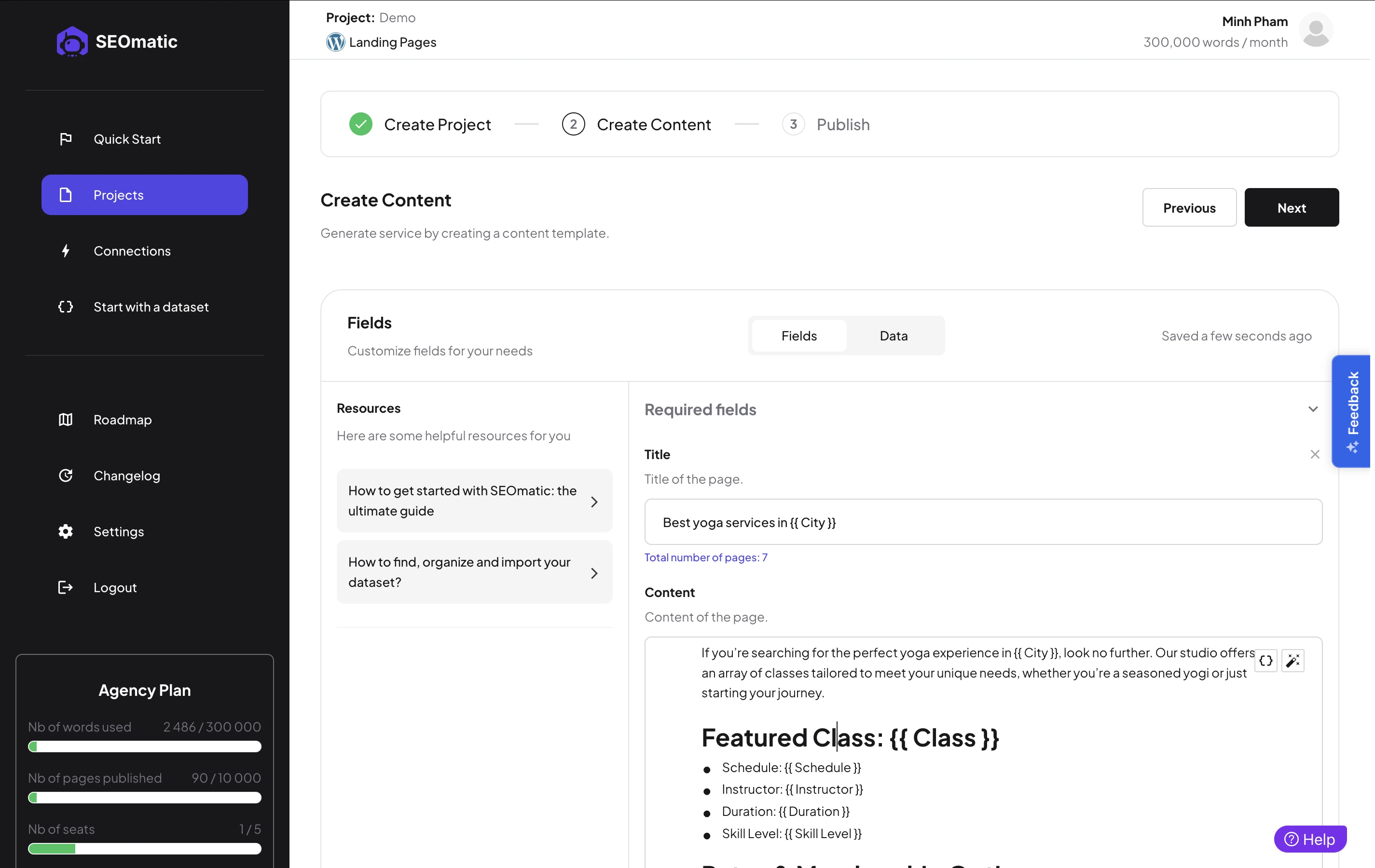
Even though it's automated, optimization still matters. Make certain your pages are crawlable, indexable, and follow SEO finest practices. Develop special titles and meta descriptions, use appropriate internal linking, and make sure fast load times. SEO specialists like John Mueller and Lily Ray state that programmatic SEO can be simple to misuse.
AI-Powered Blog Generators and High-Velocity SEO Output
Massive methods themselves don't go against Google's standards. As long as you're using it properly and staying within the guidelines, you have actually got nothing to worry about. The main point is to create pages that actually assist users. Produce pertinent material with answers to common user questions. This guarantees your pages aren't ever viewed as spam, even at scale.
Scaling Search Traffic With Automated Page Production
When used thoughtfully, it can be reliable for scaling premium material. Next, we'll walk you through how to produce programmatic SEO pages that in fact deliver worth.
Programmatic material targets thousands of semantically comparable keywords (specifically keyword patterns). Start by finding relevant keywords with lots of variations to scale your content. This consists of batches of long-tail keywords, with a head term integrated with various location, intent, or product features. You might begin with the head term "best restaurants," and then include numerous locations as modifiers: Best dining establishments Finest restaurants Finest restaurants You can integrate the head term with 3 modifiers to produce 3 unique long-tail keywords.
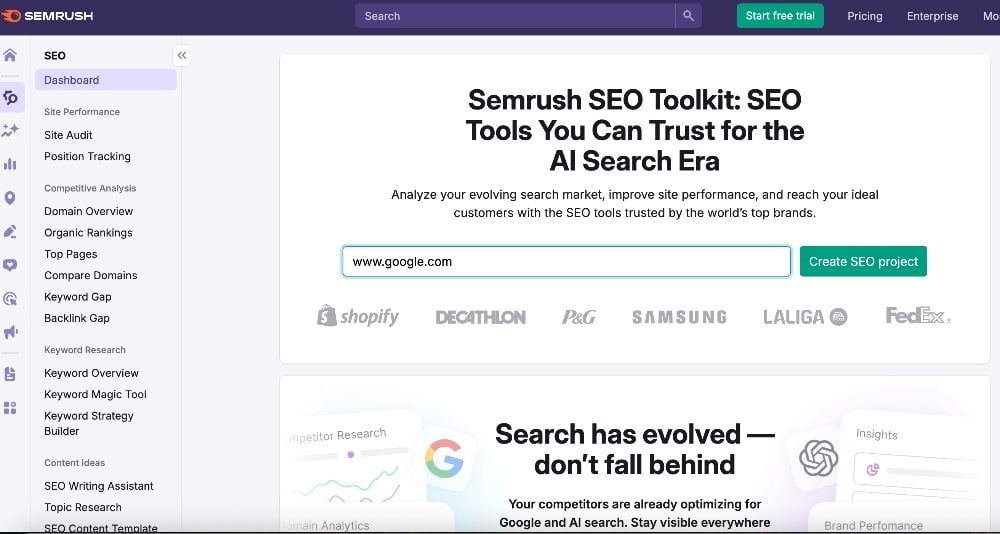
Then you can scale this practically endlessly by including more secondary modifiers, like "Finest dining establishments in Kyiv pet-friendly", "Finest dining establishments in London for dates", "Finest dining establishments in New York with pizza", etc. However to discover which modifiers drive traffic and pertain to your audience, you'll want to use SE Ranking's Keyword Suggestion tool, which is ideal for discovering keyword patterns.
Go to the area to see a list of long-tail keywords. Those are your keyword patterns.
Scaling Search Traffic through Automated Content Engines
You can also run this type of analysis by examining the main keyword table. Just concentrate on keywords with low difficulty and decent search volume. We suggest setting the difficulty to 40 or below. As for search volume, what's considered low will vary depending on your niche. You can concentrate on precise matches of your primary keyword by filtering the list under that specific criterion.
That's where understanding search intent ends up being essential. It shapes not simply your keyword list, but the entire structure and content of your programmatic SEO pages. Search intent is the why behind a question. It's what the user is trying to achieve: (Transactional) (Educational) (Navigational) (Commercial) Developing reliable material indicates knowing precisely what users expect to see.
It likewise assists you develop smarter, more targeted templates. If users looking for "best laptop computers for trainees" want specs, price contrasts, and pros & cons, your design template should include all of it. If the question is location-based, add maps or local information. If it's product-focused, consist of filters or CTAs. Search intent + keyword insights = plan for scalable, beneficial material.

Latest Posts
Evaluating Modern Search Software for Large Sites
Winning Hyper-Local Search Markets Using Automation
Upcoming Future Trends in Automated SEO Templates